
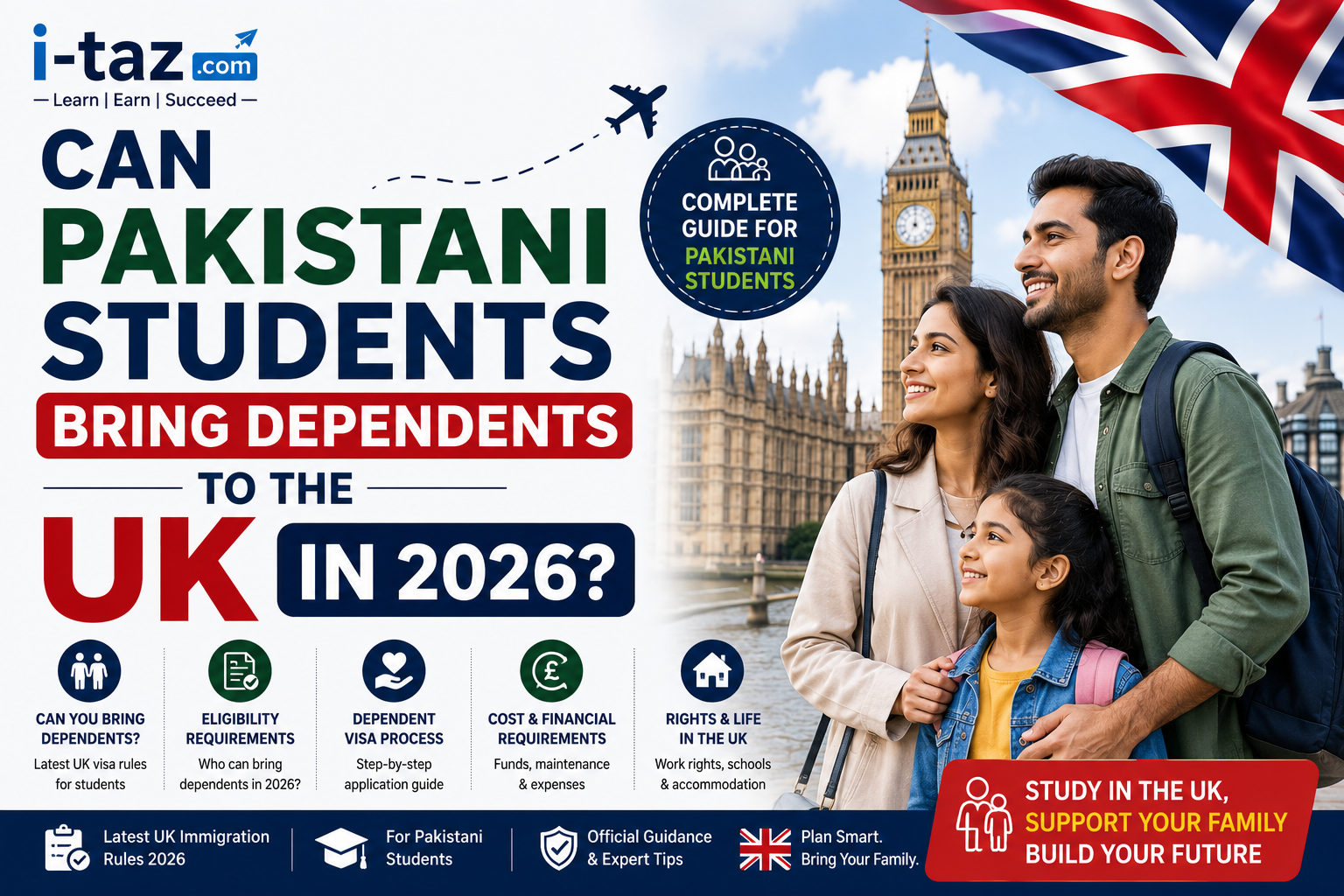
The United Kingdom remains one of the most attractive study destinations for Pakistani students. Every year, thousands of students choose the UK for its world-class universities, internationally recognized degrees, diverse culture, and excellent career opportunities. However, for married students, one important question often arises before applying:
Can I bring my spouse with me while studying in the UK?
The answer is not as straightforward as it was a few years ago. The UK government has introduced significant changes to student dependant visa policies, affecting international students who wish to bring their husband, wife, or children while pursuing higher education.
If you are planning to study in the UK in 2026 and want to understand whether your spouse can accompany you, this comprehensive guide from I-TAZ explains everything you need to know.
Understanding the UK Student Dependant Visa
A Student Dependant Visa allows eligible family members of an international student to live in the UK during the student’s course.
Dependants may include:
- Husband or wife
- Civil partner
- Unmarried partner (under specific conditions)
- Children under 18 years of age
Previously, many international students enrolled in master’s programs could easily bring their dependants. However, recent immigration reforms have changed these rules significantly.
Understanding these changes is essential before selecting your university and course.
What Changed in UK Dependant Visa Rules?
One of the most important immigration updates introduced by the UK government was the restriction on dependant visas for international students.
Before 2024, many students studying taught master’s degrees could bring their spouses and children to the UK.
However, under the current rules that continue into 2026:
- Most students enrolled in taught undergraduate and master’s programs cannot bring dependants.
- Only specific categories of students remain eligible.
These changes were introduced as part of the UK’s efforts to reduce overall migration numbers while maintaining opportunities for genuine students.
As a result, students must carefully assess their eligibility before making study plans.
Who Can Bring Their Spouse to the UK in 2026?
Although restrictions exist, some students can still bring their spouse and family members.
1. PhD Students
Students enrolled in doctoral programs such as:
- PhD
- Doctorate degrees
- Research doctorates
remain eligible to bring their spouse and dependants.
Research-based programs continue to qualify because they typically involve longer study durations and advanced academic work.
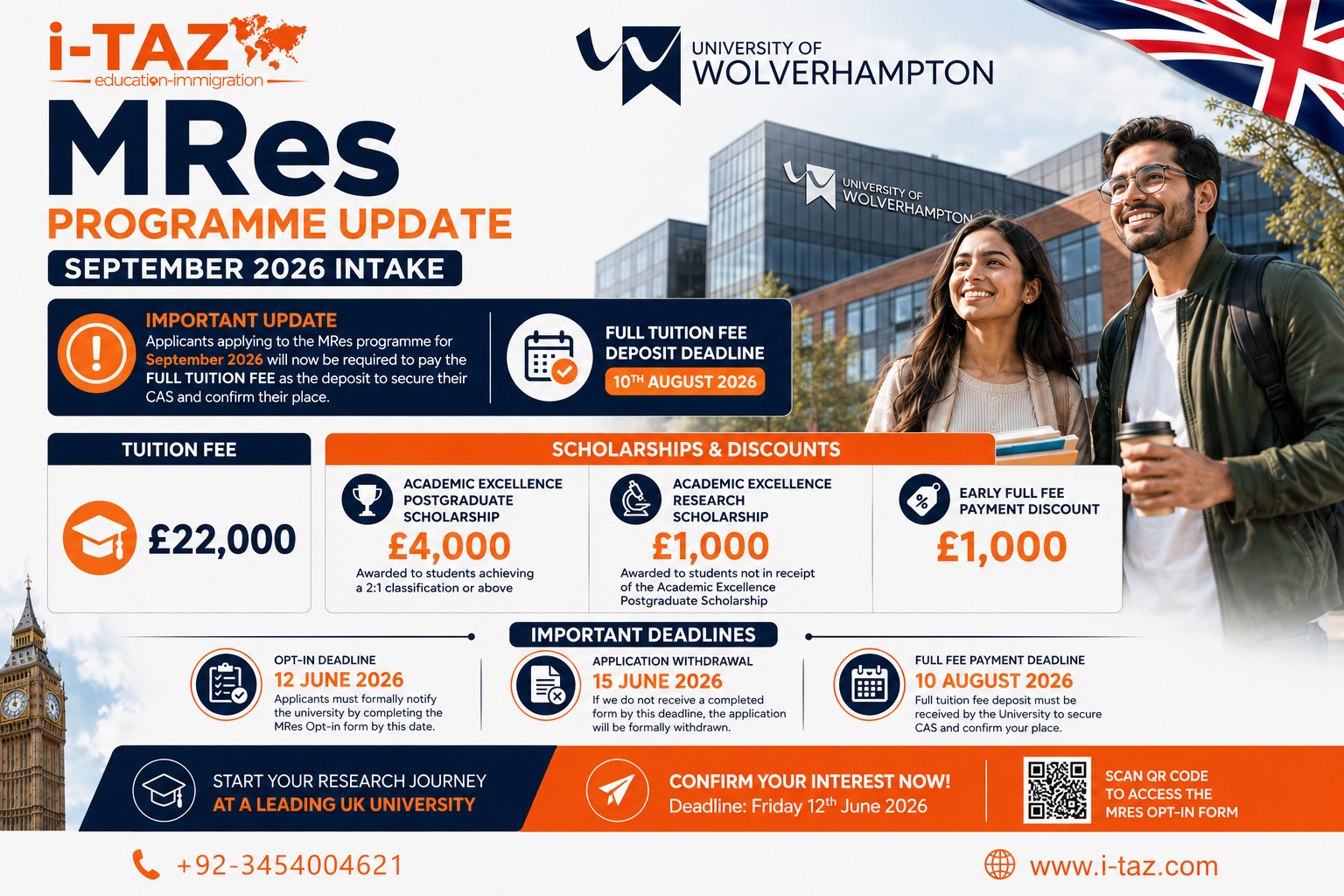
2. Research-Based Postgraduate Programs
Students studying research-focused postgraduate courses may also qualify.
Examples include:
- MPhil
- Certain MRes (Master by Research) programs
- Research-intensive postgraduate degrees
Eligibility depends on the specific course and university.
Students should confirm their status before applying.
3. Government-Sponsored Students
Students receiving official government sponsorship for studies longer than six months may also be eligible to bring dependants.
Government sponsorship usually involves:
- National scholarship programs
- Government-funded educational initiatives
- Official international educational sponsorship schemes
Who Cannot Bring Their Spouse?
Most students enrolled in the following programs generally cannot bring dependants under the current Student Visa route:
Undergraduate Degrees
Students pursuing bachelor’s degrees typically do not qualify.
Taught Master’s Programs
Many popular courses such as:
- MBA
- MSc Management
- MSc Marketing
- MSc Project Management
- MA Programs
are classified as taught master’s degrees and usually do not qualify for dependant visas.
Foundation and Diploma Courses
Students enrolled in pathway programs, foundation years, or diploma courses are generally ineligible to bring dependants.
This is one of the most significant changes that students must consider before choosing a course.
Can Pakistani Students Bring Their Husband or Wife?
Yes.
The UK immigration system applies the same rules to international students regardless of nationality.
Pakistani students can bring their spouse if:
- Their course qualifies under current regulations.
- They meet financial requirements.
- They provide sufficient supporting documentation.
Nationality itself is not a determining factor.
Instead, eligibility depends on the type of course and visa category.
Benefits of Bringing Your Spouse to the UK
Many students prefer having their spouse accompany them during their studies.
Emotional Support
Living abroad can be challenging.
Having your spouse with you often provides:
- Emotional stability
- Reduced stress
- Better mental well-being
This support can help students focus more effectively on their studies.
Family Unity
Couples can continue building their lives together without long periods of separation.
Career Opportunities for Spouses
In many eligible cases, dependant spouses may work in the UK.
This can help improve family finances and provide valuable international work experience.
Educational Opportunities
Spouses can also pursue their own studies if they wish.
Many dependants use their time in the UK to gain qualifications and improve future career prospects.
Can Your Spouse Work in the UK?
One of the biggest advantages of a dependant visa is employment flexibility.
If your spouse receives a dependant visa, they may often:
- Work full-time
- Work in various industries
- Be self-employed
- Build a professional career
This creates significant opportunities for families planning to relocate together.
However, specific visa conditions should always be reviewed carefully.
Can Your Spouse Study in the UK?
Yes.
A dependant spouse is generally allowed to study while residing in the UK.
They may:
- Enroll in college courses
- Attend university programs
- Pursue professional qualifications
- Improve language skills
This flexibility makes the UK an attractive destination for families.
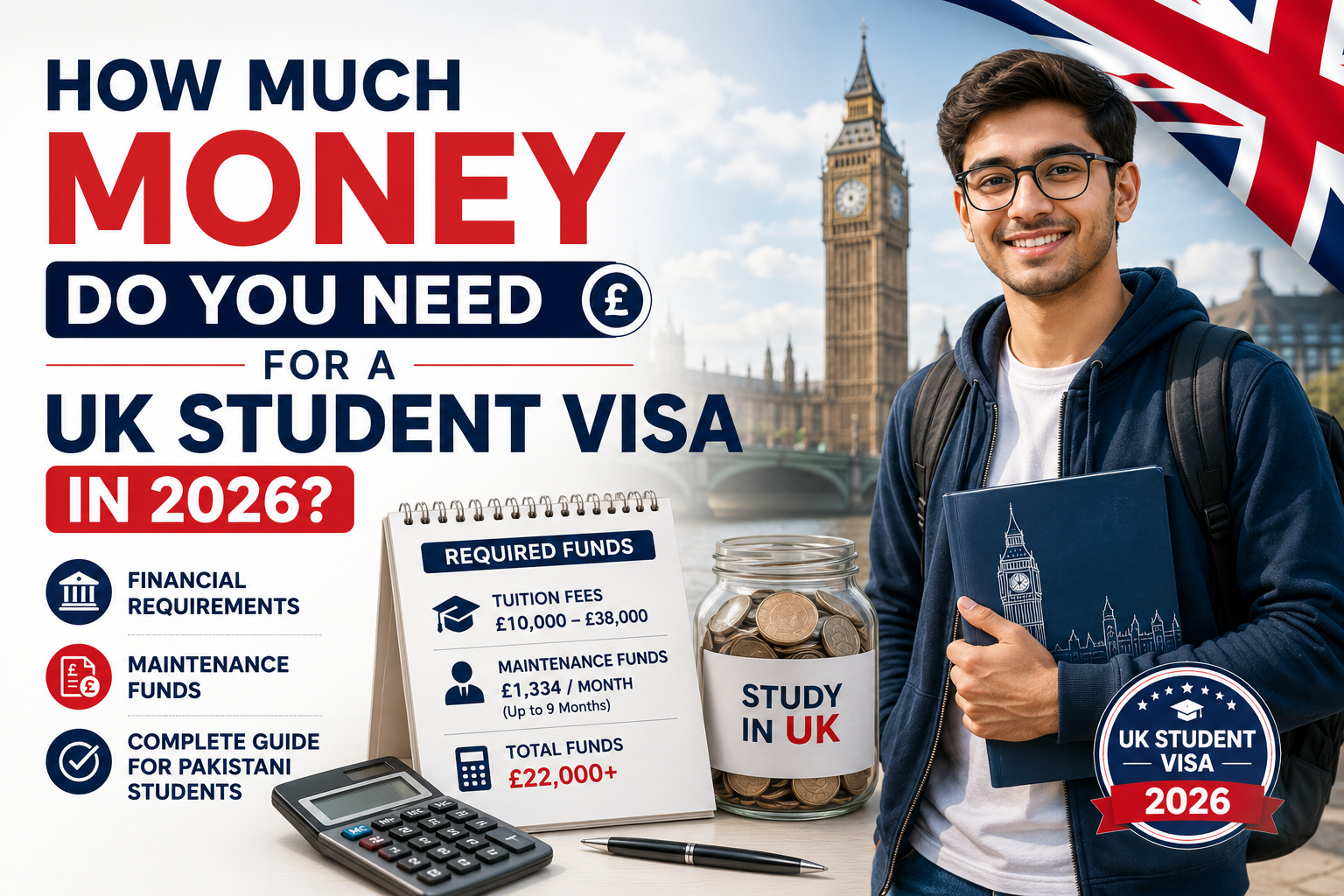
Financial Requirements for Bringing Your Spouse
One of the most important aspects of a dependant visa application is demonstrating sufficient financial capability.
The UK government requires students to show they can support themselves and their dependants.
You must provide evidence of funds for:
- Living expenses
- Accommodation costs
- Daily expenses for your spouse
- Any dependant children
Financial documents must meet UK immigration requirements and be maintained for the required period before visa submission.
Failure to meet financial requirements is one of the most common reasons for visa refusal.
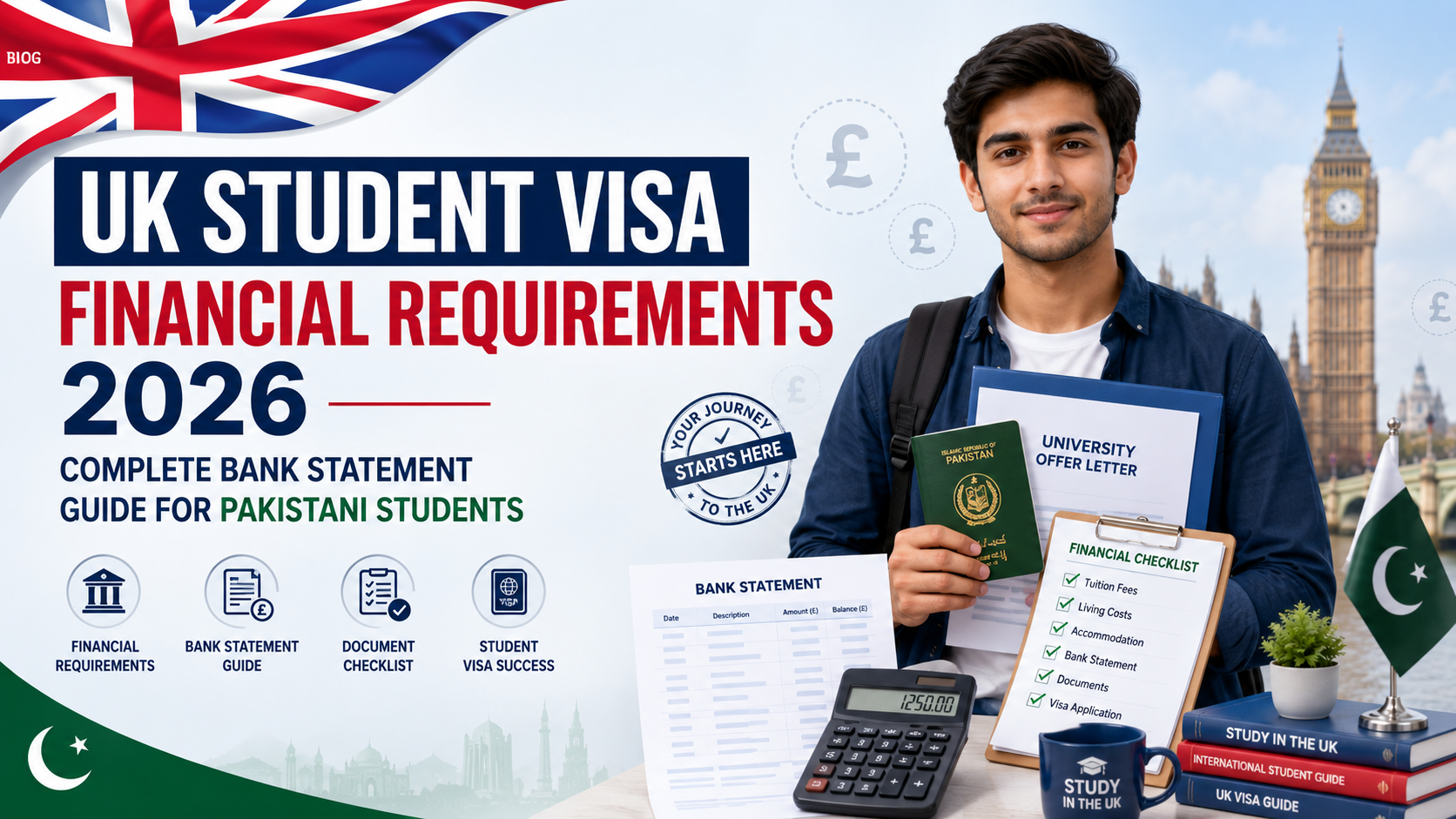
Documents Required for a Spouse Visa
Although requirements may vary slightly, the following documents are commonly required.
Personal Documents
- Valid passport
- Visa application forms
- Recent photographs (if requested)
Relationship Evidence
- Marriage certificate
- Proof of genuine relationship
- Supporting family documents
Student Documents
- Confirmation of Acceptance for Studies (CAS)
- Student visa details
- University admission information
Financial Documents
- Bank statements
- Sponsorship documents (if applicable)
- Financial evidence supporting maintenance requirements
Accurate and complete documentation is essential for a successful application.
Can You Bring Children?
Eligible students may also bring children under 18 years of age.
Additional requirements often include:
- Birth certificates
- Evidence of parental responsibility
- Financial support documents
- Accommodation arrangements
Families should carefully calculate financial requirements before applying.
What About Unmarried Partners?
The UK also recognizes unmarried partners under certain conditions.
Applicants must usually prove:
- A genuine relationship
- Long-term partnership
- Shared living arrangements over a significant period
Evidence may include:
- Joint tenancy agreements
- Shared utility bills
- Joint bank accounts
- Official correspondence
Strong supporting evidence is essential for approval.
Common Reasons for Dependant Visa Refusal
Understanding common refusal reasons can help applicants avoid costly mistakes.
Insufficient Financial Evidence
Many refusals occur because applicants fail to meet maintenance requirements.
Weak Relationship Documentation
Marriage or partnership evidence must clearly demonstrate a genuine relationship.
Incomplete Applications
Missing documents can delay or negatively impact decisions.
Ineligible Course Selection
Students enrolled in non-qualifying courses may automatically fail to meet dependant visa criteria.
Proper preparation can significantly improve approval chances.
Important Challenges to Consider
Although bringing your spouse has advantages, students should also consider potential challenges.
Increased Living Expenses
Housing, food, transportation, and healthcare costs increase when supporting a family.
Additional Visa Fees
Each dependant requires separate visa applications and associated costs.
Immigration Health Surcharge (IHS)
Additional healthcare charges apply to dependants.
Financial Planning
Students must ensure they have realistic budgets before relocating.
Good planning helps avoid financial stress later.
How I-TAZ Helps Students and Families
At I-TAZ, we understand that studying abroad is a life-changing decision, especially for married students.
Our expert team provides:
- University selection guidance
- Course eligibility assessments
- Student visa assistance
- Dependant visa consultation
- Financial documentation guidance
- CAS support
- Interview preparation
- Pre-departure counseling
We help students make informed decisions based on the latest UK immigration regulations.
Final Thoughts
The answer to the question “Can you bring your spouse while studying in the UK?” is yes—but only under specific circumstances.
Students enrolled in:
- PhD programs
- Research-based postgraduate courses
- Eligible government-sponsored programs
may still qualify to bring their spouse and dependants to the UK.
However, most students enrolled in taught undergraduate and master’s degrees are no longer eligible under the current Student Visa rules.
Before applying, it is crucial to understand the latest regulations, assess your eligibility, and prepare your documentation carefully.
With proper planning and expert guidance, you can choose the right study pathway and make informed decisions for both your education and your family’s future.
If you are planning to study in the UK in 2026 and need assistance with admissions, scholarships, CAS processing, student visas, or dependant visa guidance, I-TAZ is here to support you every step of the way.